
A clear wedding venue capacity guide helps you move past a single headcount and start planning for how your guests will actually use the space. When you’re working through wedding guest list planning, it’s not only about whether a venue can fit everyone on paper. It’s about how your ceremony, reception, dining layout, drinks service, and dance floor all work together so the day feels comfortable from start to finish.
At Simbali, the setting naturally invites you to think about flow as much as numbers. With a covered bush chapel, a bush bar and alfresco lounge, and a main reception hall, the venue gives you separate spaces for different parts of the celebration. That matters because guest comfort often comes down to how people move through the day, not only the maximum figure attached to one room.
Ceremony Seating Basics
Your ceremony count is often the first number you look at, but it should not be the only one. The chapel may be able to hold your full guest list, yet your reception setup could call for a different approach once tables, décor, and entertainment come into play. That is why the ceremony and reception should always be reviewed as two related but separate layout decisions.
At Simbali, the covered bush chapel accommodates up to 150 guests, which gives you a strong starting point for your ceremony planning. From there, it helps to think about how your guests will be seated, how the aisle will work, and how much breathing room you want around each row. A ceremony should feel inviting and settled, not overfilled.
Reception Seating Needs
Reception seating is where your numbers become more practical. A room can seat a certain number of guests, but the real question is how those guests will dine, move, and gather throughout the evening. If your tables are tightly packed, the room may meet the number while still feeling restricted once service begins.
Simbali’s main reception hall seats 120 guests comfortably and includes a spacious dance floor area. That word comfortably matters. It suggests a layout that allows for more than just chairs and tables. It allows for movement, speeches, service, and celebration. When you compare venues, it helps to focus on that balance instead of asking only for the biggest number available.
Cocktail Vs Banquet Space
One of the biggest layout shifts comes from deciding whether your reception leans more cocktail or more banquet. A seated banquet setup usually needs more floor space because you are planning for full dining tables, place settings, chair movement, and staff access. A cocktail-style event may allow for a looser setup with more standing room and flexible furniture placement.
At Simbali, the bush bar and alfresco lounge already create a natural setting for a more relaxed drinks period between the ceremony and reception. That gives you room to think about where guests gather before taking their seats, and how that social space can support your overall layout. A wedding venue capacity guide should always take this into account because a venue can feel different depending on how much of the event is seated and how much is designed for mingling.
Wedding Guest List Planning Tips
Wedding guest list planning becomes easier when you divide your numbers by moment instead of treating everyone as one fixed group all day. Some couples begin with the full ceremony list and then work backwards into reception layout, bar flow, and accommodation needs. Others start with the reception because that is where table spacing and budget usually become more defined.
A venue like Simbali supports that kind of planning because the day can unfold across more than one setting. Guests may move from the chapel to the alfresco lounge and then into the reception hall, which means your count interacts with several spaces instead of one. When you start to think in those layers, your guest estimate becomes more useful and more realistic.
Dance Floor Space
The dance floor is often treated as an extra, but it has a direct effect on capacity. Once dancing starts, the room needs to shift from seated dining to movement, energy, and circulation. If the dance floor is too small, it can pull chairs, tables, and service areas too close together. If it is too large for the guest count, the room can lose some of its atmosphere.
Simbali’s reception hall includes a spacious dance floor area, which is worth factoring into your planning early. It means you do not have to treat dancing as an afterthought squeezed into leftover space. In a wedding venue capacity guide, this is where your estimated guest count starts to connect with the kind of reception you want rather than the number alone.
DJ And Band Room
Entertainment takes up more room than many couples first expect. A DJ setup, speakers, lighting, or a live band footprint can all reduce the usable floor area inside a reception hall. That does not make the room less suitable, but it does mean you should measure your layout around what will actually be in the space on the night.
If you are comparing options, ask yourself how visible and connected the entertainment area should be. A good layout leaves enough room for the dance floor while keeping the music integrated into the celebration. At a venue with a defined reception hall and dance area, it becomes easier to picture where that footprint sits and how it may affect table spacing.
Buffet And Bar Flow
Food and drinks service should never be left out of the conversation. Buffet tables, harvest-style displays, and bar queues all need physical room, especially when guests begin moving at the same time. A reception that looks balanced on a floor plan can feel crowded once everyone stands up for drinks, dinner, or dessert.
Simbali’s venue setup gives you a useful advantage here because the bush bar and alfresco lounge create a distinct space for welcome drinks and gathering. That can help reduce pressure on the reception hall itself. When you are working through wedding guest list planning, it helps to think about where guests will pause, queue, and circulate so the event feels easy rather than congested.
Aisles And Entrances
The aisle and entrance flow shape how the event feels from the first guest arrival through to the final reception entrance. These are not only visual moments. They are also practical ones. Guests need to enter, find their place, settle comfortably, and move into the next part of the day without confusion or bottlenecks.
At Simbali, the chapel borders the bush bar and alfresco lounge, which supports a smoother transition after the ceremony. That kind of layout can make a strong difference to how guests experience the day. A wedding venue capacity guide should always include entrance flow because a beautiful venue works best when people can move through it naturally.
Capacity Questions To Ask
Capacity questions to ask should go beyond a headline maximum. Ask how many guests the ceremony space accommodates, how many the reception hall seats comfortably, and how the answer changes once a dance floor, entertainment setup, and dining layout are included. Those details give you a more honest picture than one broad figure.
It also helps to ask how the venue’s separate spaces work together. At Simbali, the chapel, outdoor lounge, bush bar, and reception hall create a linked experience, so your planning is not limited to one room. Ask how your guest estimate affects each space, how seating styles influence layout, and what the venue recommends based on your preferred flow.

Wedding Venue Capacity Guide FAQ
Why Is A Wedding Venue Capacity Guide More Useful Than A Single Capacity Number?
A single capacity number only tells part of the story because it does not show how the room works once tables, service areas, entertainment, and movement are added. A wedding venue capacity guide helps you plan around the full event instead of one headline figure. That is especially helpful at a venue like Simbali, where the ceremony, drinks, and reception take place across connected spaces rather than inside one fixed room for the entire day.
How Does Wedding Guest List Planning Affect Venue Layout?
Wedding guest list planning shapes almost every layout choice because your guest count influences seating style, aisle spacing, reception table placement, and how much room you need for drinks and dancing. It also affects how guests move between areas. At Simbali, the chapel, alfresco lounge, and reception hall each play a role, so your numbers need to work across the full venue experience rather than within a single section only.
Should Couples Plan Ceremony And Reception Capacity Separately?
Yes, because the ceremony and reception often have different space demands. A chapel may hold more guests in a seated row format, while a reception hall needs to account for tables, service access, and a dance floor. Simbali’s chapel accommodates up to 150 guests, while the reception hall seats 120 guests comfortably, which shows why the two numbers should be reviewed separately when building a realistic layout.
Does Cocktail Vs Plated Dining Change Capacity Planning?
It does, because cocktail-style events usually allow for more open circulation, while plated dining needs a fuller table layout and more chair clearance. The difference can affect how spacious the room feels and how smoothly service runs. At Simbali, the bush bar and alfresco lounge provide a natural social area before the reception, which can support a more layered event flow depending on how the couple wants guests to gather and dine.
What Should Couples Ask During A Viewing?
A viewing should help you test your guest estimate against the actual venue spaces. Ask how many guests each area suits, how seating style changes the layout, where the dance floor and entertainment fit, and how food and drinks service will affect movement. At Simbali, a viewing can also help you see how the chapel, lounge, and reception hall connect, which makes it easier to judge comfort, flow, and timing in person.
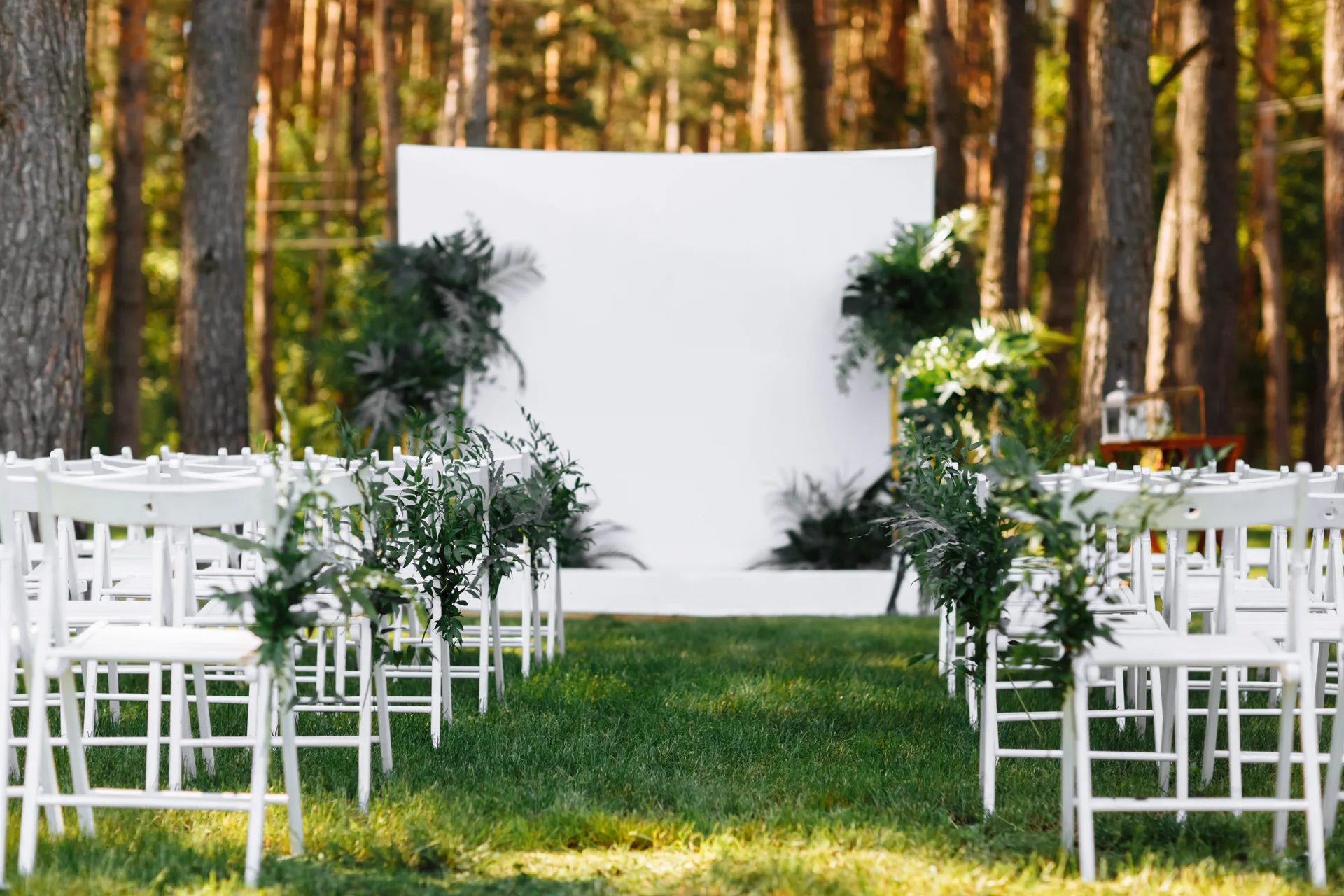
Wedding Venue Capacity Guide At Simbali
A wedding venue capacity guide works best when it turns your guest estimate into a layout that feels comfortable, natural, and easy to enjoy. At Simbali, the chapel, bush bar and alfresco lounge, and reception hall give you the chance to think about capacity in a more practical way, with each part of the day supported by its own setting.
If you’re ready to move from estimates to a clearer plan, a viewing can help bring the numbers to life. Share your guest estimate for a viewing + layout chat and use the wedding venue capacity guide to explore how your ceremony, reception, and guest flow could work at Simbali.