
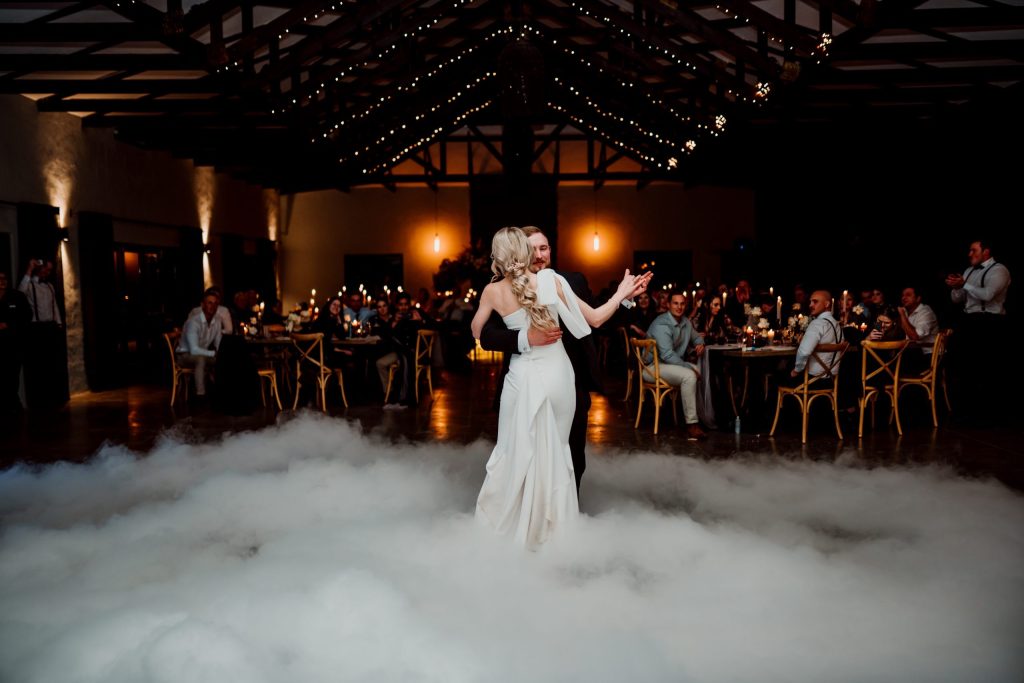
Some venues try to impress you the moment you arrive. Others take a quieter approach—they let the space speak for itself.
At Simbali, the design doesn’t compete with the surroundings. It works with them. That balance is what makes the experience feel natural from the start. For couples exploring Bali-Inspired Wedding Design in South Africa, this approach offers something different—something that feels curated, but never forced.
It’s not about recreating Bali. It’s about interpreting its calm, open design language within the textures and tones of the South African bushveld.
The result is a setting that feels both structured and organic at the same time.
Bali-Inspired Wedding Design in South Africa: A Thoughtful Interpretation
Bali-inspired design is often associated with simplicity, openness, and connection to nature.
But when applied in South Africa, it takes on a slightly different character.
A Design Language That Breathes
At its core, Bali-inspired architecture focuses on flow.
Spaces are not closed off—they open outward. Materials are natural. Lines are clean but not rigid. The intention is to create a sense of ease, where movement feels intuitive rather than directed.
At Simbali, this design language has been adapted to suit the bushveld environment.
Open trusses, natural finishes, and wide transitions between spaces allow the venue to feel integrated into its surroundings, rather than placed on top of them.
Not a Theme, But a Feeling
This isn’t about decorative elements or themed styling.
It’s about how the space feels when you’re in it.
There’s a quiet consistency across the venue—from the reception hall to the outdoor areas—that reflects this approach. Nothing feels out of place, because everything is working within the same design logic.
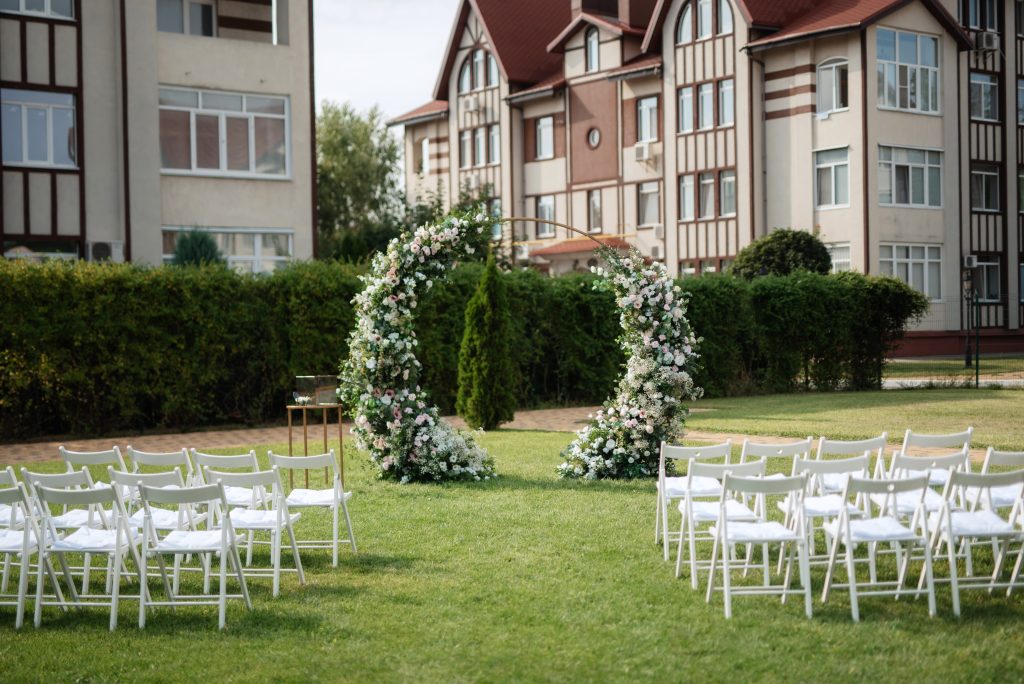
The Bush Chapel Pretoria East: Open, Protected, and Connected
One of the most distinctive elements of Simbali is its Bush Chapel Pretoria East.
It captures the balance between exposure and protection in a way that feels considered.
Keeping the View Intact
The chapel is positioned to take full advantage of the surrounding bushveld.
When you stand within it, the landscape remains visible. There’s no sense of separation. The ceremony takes place within the environment, not apart from it.
This is where the design becomes meaningful. The structure frames the moment without enclosing it.
Protection Without Isolation
At the same time, the chapel includes protective features that shield against wind and shifting weather—particularly important during winter.
This allows ceremonies to continue comfortably, without losing the connection to the outdoors.
It’s a subtle detail, but an important one.
The experience remains consistent, regardless of the conditions.
The Modern Bush Aesthetic: Where Structure Meets Nature
The phrase “modern bush aesthetic” is often used, but rarely explained properly.
At Simbali, it becomes easier to understand.
Clean Lines Within a Natural Setting
The architecture introduces structure—defined shapes, open spans, and intentional layouts.
But these elements are softened by the environment.
Surrounding trees, natural textures, and open skies prevent the space from feeling rigid. Instead, it feels balanced.
This is where the contrast works:
- Structured design
- Organic surroundings
Neither dominates. Both contribute.
Organic Nature Scenes That Don’t Need Enhancement
In many venues, natural elements are added.
At Simbali, they’re already present.
The bushveld provides:
- Natural backdrops for ceremonies
- Unforced photo settings
- Depth and variation throughout the day
These organic nature scenes don’t require staging. They exist as part of the environment, allowing moments to unfold without interruption.
A Space That Moves With the Day
One of the strengths of the venue is how easily it adapts to different stages of the wedding.
From Ceremony to Celebration
The transition from the chapel to the reception area feels natural.
Guests move from an open, outdoor setting into a space that maintains the same design language—open, warm, and connected to the surroundings.
There’s no abrupt shift.
The day flows.
Indoor and Outdoor Balance
Even within the reception space, the connection to the outside remains.
Large openings, decks, and adjoining areas allow guests to step out and return without losing the atmosphere of the event.
This movement keeps the experience dynamic.
Light, Materials, and Atmosphere
Design is not only about structure. It’s also about how light and materials interact.
Natural Light as a Design Element
Throughout the day, natural light plays a central role.
It moves through the chapel, across the reception hall, and into the surrounding areas, changing the tone of the space as the day progresses.
This creates a layered experience:
- Soft morning light during preparation
- Warm afternoon tones during the ceremony
- A gentle transition into evening
The space responds to the light rather than trying to control it.
Materials That Hold the Space Together
Natural materials—stone, wood, and textured finishes—anchor the design.
They provide warmth and consistency, ensuring that even as the light changes, the space remains grounded.
These materials are not decorative. They are structural.
They define how the space feels.
Why Bali-Inspired Wedding Design in South Africa Works So Well
The success of this design approach lies in its adaptability.
Designed for Climate and Setting
South Africa’s climate, particularly in the bushveld, supports open design.
Mild winters and clear skies allow for spaces that remain connected to the outdoors without becoming uncomfortable.
This makes Bali-inspired principles a natural fit, rather than an imported idea.
Supporting a More Natural Wedding Experience
Couples are increasingly looking for settings that feel less staged.
They want environments where the focus is on the experience, not the setup.
This is where the design approach becomes valuable.
It allows the setting to support the day, rather than define it.
A Setting That Feels Intentional Without Being Overdone
There’s a difference between a venue that tries to impress and one that feels complete.
Less Styling, More Substance
Because the design already holds its own, there’s less need for additional styling.
The space doesn’t need to be transformed—it simply needs to be used.
This reduces complexity and allows couples to focus on what matters.
Letting the Environment Do the Work
The bushveld, the architecture, and the natural light all contribute to the experience.
They create a setting that feels considered, without requiring constant adjustment.
A Design That Holds Its Balance
The appeal of Bali-Inspired Wedding Design in South Africa lies in its ability to bring structure and nature into alignment.
At Simbali, this balance is visible in every part of the venue—from the Bush Chapel Pretoria East to the reception spaces that follow.
It’s a design approach that doesn’t rely on excess.
Instead, it creates a setting where moments feel grounded, where movement feels natural, and where the environment becomes part of the experience rather than just a backdrop.
For couples looking for something that feels calm, connected, and quietly refined, this blend of Bali influence and bushveld setting offers a space that simply works—without needing to try too hard.